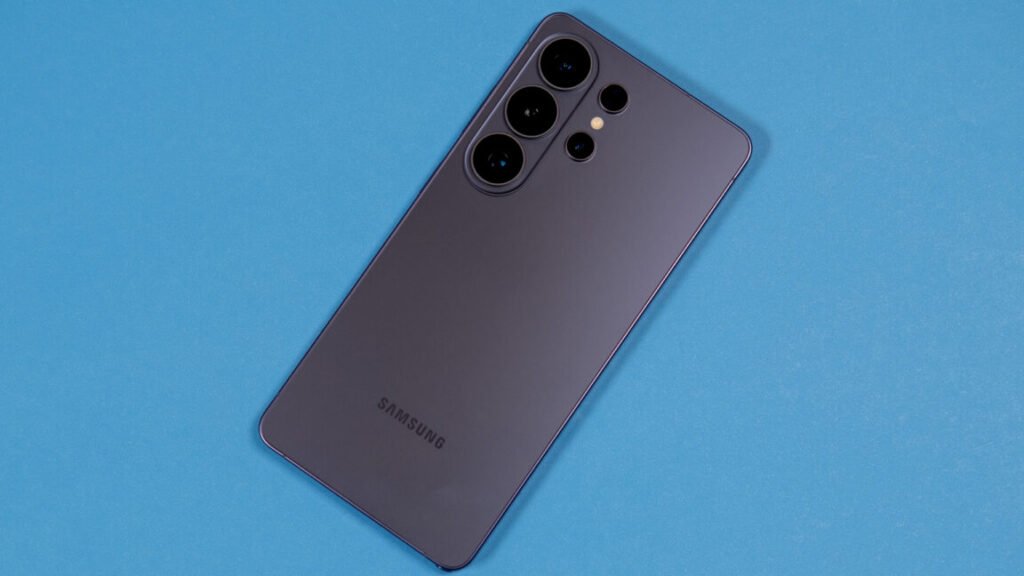

Selling smartphones used to be printing money. Everyone wanted one, every new model was a genuine leap forward, and the upgrade cycle was predictable. Those days are long gone.
Smartphones are mature products now. Most of the innovation is incremental—better cameras, slightly faster chips, foldable screens that still make me nervous. Plenty of manufacturers have folded or pivoted. LG quit. HTC is a ghost. Even Xiaomi and Oppo are struggling to maintain margins.
Samsung has been the durable exception. Through economic downturns, through supply chain chaos during COVID, through every tariff spat and chip shortage, Samsung’s mobile division kept turning a profit. That streak may finally break in 2026.
According to a report from Money Today (Korean), Samsung MX head TM Roh has warned company leadership that the smartphone business could post its first-ever net loss this year. Not a dip in profits. A net loss.
The culprit isn’t weak sales. The Galaxy S26 series is reportedly doing fine. The problem is what goes inside those phones: memory.
DRAM and NAND prices have been climbing for months, driven by insatiable demand from AI infrastructure. Every hyperscaler is building out racks of servers stuffed with high-bandwidth memory. Nvidia’s Vera AI CPU, which will replace Grace later in 2026, is designed to support up to 1.5 TB of LPDDR5x per chip. A single rack-scale platform with 36 Vera CPUs and 72 Rubin GPUs will consume enough LPDDR5x to equip roughly 4,600 Galaxy S26 Ultra devices (assuming 12GB each).
That’s the scale of the competition. Samsung’s foundry and memory divisions are making bank selling to Nvidia and its ilk. But the MX division buys from its own sibling at inflated market prices, and those prices are now high enough to squeeze margins to zero.
This is a weird paradox: Samsung benefits enormously from the AI boom on the component side, but that same boom is strangling its own consumer hardware business. The left hand giveth, the right hand taketh away.
I’ve seen this pattern before—component shortages that ripple unevenly across a conglomerate. But this time it’s different because the demand isn’t cyclical. AI infrastructure buildout shows no sign of slowing, and LPDDR5x is suddenly a strategic asset, not a commodity.
Samsung could try to negotiate internal transfer pricing, but that’s a band-aid. The real question is whether smartphone margins can ever recover while AI demand keeps memory prices elevated. I doubt it. Not unless Samsung starts making phones with less RAM or finds a way to use cheaper memory tiers without compromising AI performance on-device.
Either way, this is the first time I’ve genuinely wondered whether Samsung’s smartphone business is sustainable long-term. If the company that sells more phones than anyone else can’t make money on them, what does that say about the entire market?
Comments (0)
Login Log in to comment.
Be the first to comment!