
Nuclear energy is enjoying a rare moment in the sun. Both sides of the political aisle in the US are on board, and tech companies desperate to power their data centers are throwing cash at new reactors. It feels like a renaissance.
But there’s a problem nobody wants to talk about: what to do with the waste.
The US alone produces about 2,000 metric tons of high-level nuclear waste every year. And right now, there’s nowhere permanent to put it. That’s not a typo—we’ve been running reactors for nearly 70 years, and we still haven’t figured out long-term storage.
Used fuel rods sit in pools or dry casks at reactor sites. Experts say these are safe for now, but they were never meant to be permanent solutions. They’re a holding pattern.
The global consensus on permanent storage is a deep geological repository—basically, dig a hole hundreds of meters underground, seal the waste in, and fill it with concrete. Sounds simple enough, but nobody has actually done it yet for commercial spent fuel.
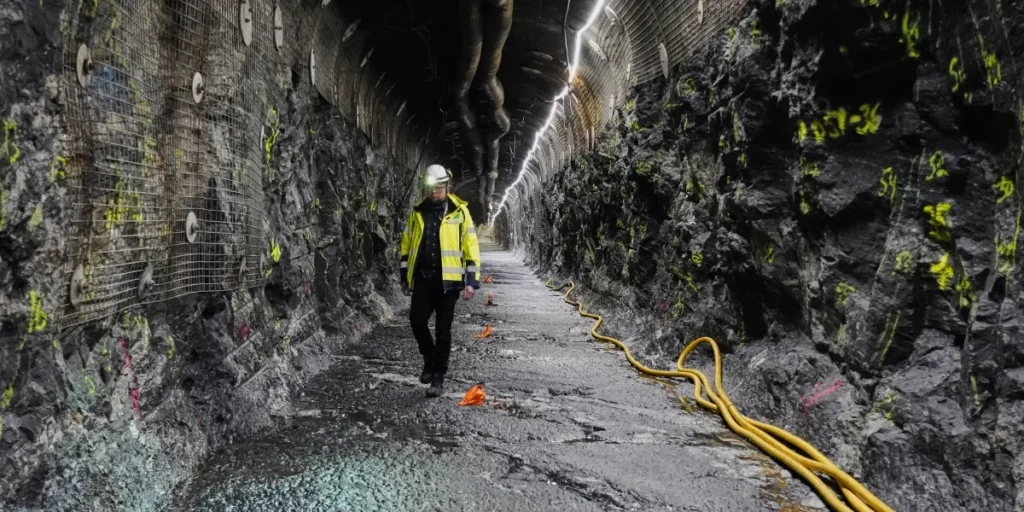
Finland is closest. They’ve been testing their facility since 2024 and expect final approvals soon. Operations could start later this year. That’s after starting the planning process back in the 1980s.
France isn’t far behind. They run over 50 reactors and get more of their electricity from nuclear than any other country. They also have the world’s most established reprocessing program, which separates plutonium and uranium to make mixed oxide (MOX) fuel. But reprocessing isn’t a magic bullet—there’s still leftover waste that needs a home. Right now it sits at the La Hague plant, but France plans to build a repository. Initial approvals could come later this decade, with pilot operations by 2035.
The US technically has a designated site: Yucca Mountain in Nevada. Congress picked it in 1987. But political opposition has killed it. Funding stopped in 2011, and nothing has happened since. Meanwhile, the waste keeps piling up.
And the nuclear industry is accelerating. China has the world’s fastest-growing nuclear program. Countries like Bangladesh and Turkey are building their first reactors. Even the US is seeing growth, with Big Tech funding next-generation reactors that use different coolants and fuels.
All of this new activity means new types of waste. If we can’t handle the old stuff, what makes us think we’ll handle the new stuff?
Some experts are calling for a new US organization dedicated to nuclear waste management, separate from the Department of Energy. That would mirror what Finland, Canada, and France have done. It makes sense—the DOE has a lot on its plate, and waste management needs focused attention.
Finland started planning in the 1980s and is only now ready to accept waste. That’s a 40-year timeline. For countries that haven’t started yet, the best time was decades ago. The second-best time is now.
The US is the richest country in the world and home to a huge chunk of next-generation reactor development. It should be leading on this, not lagging. Directing even a small fraction of the recent funding surge toward waste solutions could make a real difference.
This article is from The Spark, MIT Technology Review’s weekly climate newsletter.
Comments (0)
Login Log in to comment.
Be the first to comment!