
Apple’s quarterly earnings calls usually revolve around iPhone sales and Services revenue, and this one was no different. But what caught my eye — and apparently caught Apple off guard — was the Mac business quietly crushing expectations.
Wall Street had pegged Mac revenue somewhere in the low $8 billion range for the quarter ending March 28. Apple reported $8.4 billion. That’s a 6% year-over-year increase when analysts were bracing for flat numbers. Not bad for a segment that usually plays second fiddle.
Total company revenue hit $111.2 billion, up 17% from last year, so the Mac wasn’t carrying the whole show. But it was a notable bright spot.
Apple pointed to the MacBook Neo, those colorful machines that went up for preorder on March 4, as a contributor. Tim Cook called customer demand “off the charts” and mentioned a record number of new Mac buyers. But the Neo was only on sale for a few weeks before the quarter ended, and some units didn’t ship until late March or even April. So the Neo alone doesn’t explain the full picture.
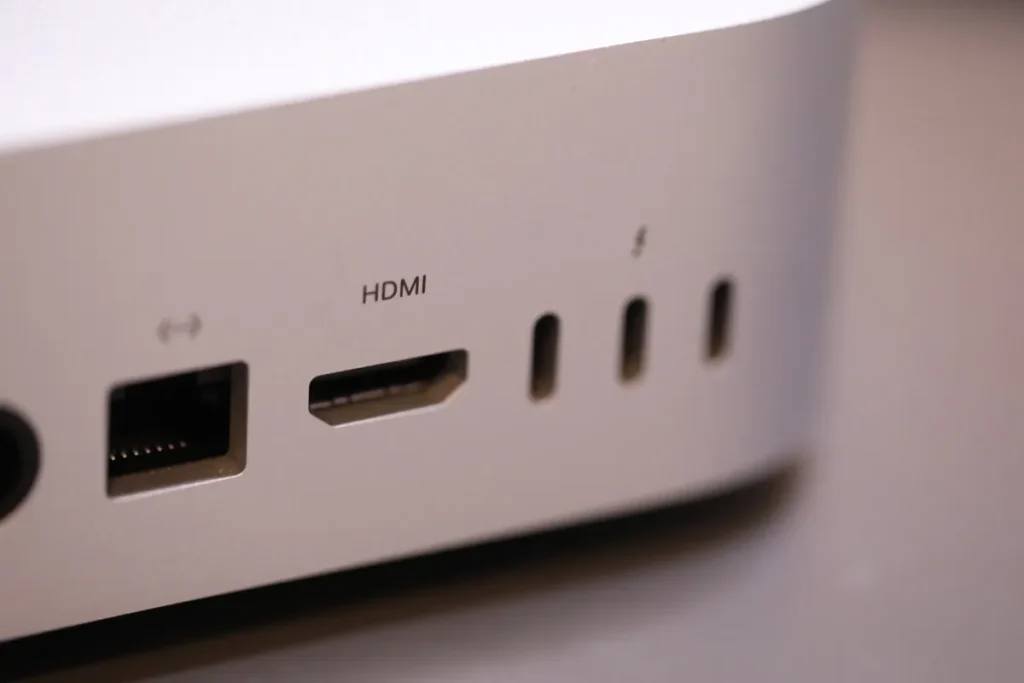
What does? AI workloads, specifically running local models like OpenClaw. Cook said the Mac mini and Mac Studio have been selling out because people are realizing these machines are great platforms for AI and agentic tools. And this isn’t just a niche enthusiast thing — Cook noted the Mac mini is the top-selling desktop in China, where the OpenClaw frenzy is especially intense.
“Both of these are amazing platforms for AI and agentic tools, and the customer recognition of that is happening faster than what we had predicted,” Cook said. Translation: Apple didn’t see this coming, and they’re scrambling to catch up.
Enterprise demand is also a factor. Apple name-dropped Perplexity as one company that’s standardized on Mac for building enterprise-grade AI assistants. And Kansas City Public Schools is apparently dropping Chromebooks for the MacBook Neo. That’s a shift I didn’t expect to see happen this quickly.
But here’s the reality check: Mac revenue was flat quarter-over-quarter. The AI-driven demand is real, but it hasn’t scaled yet. Cook admitted it could take “several months” to balance supply and demand on the Mac mini and Studio models. He also said they’re supply-constrained on the MacBook Neo.
“We’re not at the point where we’re saying this [constraint] is going to end anytime soon. And it’s not because of a problem, per se, other than we just under-called the demand,” Cook explained.
That’s a polite way of saying Apple misjudged how quickly the AI use case would take off on desktop hardware. It’s a good problem to have, but it’s still a problem. If you’re looking to buy a Mac mini or Studio for AI work, you might be waiting a while.
I’ve been saying for a while that local AI inference is going to drive a wave of hardware upgrades, but I didn’t expect Apple to be caught flat-footed on this. They’re usually better at reading the room. Then again, the Mac has been treated as a steady-but-boring business for years, so maybe they just weren’t paying close enough attention.
Either way, this is a win for the Mac. The question is whether Apple can ramp up production fast enough to capture the demand before people get frustrated and look elsewhere.
Comments (0)
Login Log in to comment.
Be the first to comment!