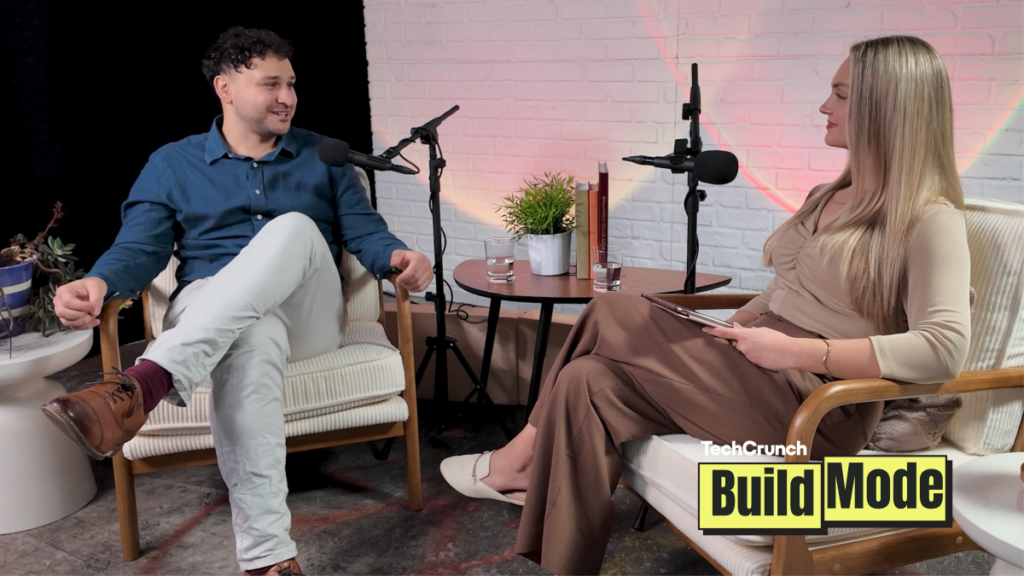

Robhy Bustami, the CEO of BioticsAI, recently joined Isabelle Johannessen on Build Mode to talk about something most founders in healthcare know all too well: the grind. Not the sexy AI demo grind. The regulatory, fundraising, keep-your-team-from-quitting grind.
BioticsAI works in medical imaging—specifically, using AI to analyze ultrasound scans. That means FDA oversight, clinical validation, and a sales cycle that makes enterprise SaaS look like selling lemonade. Bustami didn’t sugarcoat any of it.
One thing that stood out to me was how he talked about FDA approval. It’s not a checkbox. It’s a process that reshapes how you build. You can’t just ship and iterate. Every change, even minor ones, can trigger re-reviews. Bustami’s team has learned to build in a way that anticipates those hurdles, but he admitted it’s a constant source of friction. The upside? Once you have that approval, competitors face the same wall. It’s a moat, but digging it takes years off your life.
On fundraising, Bustami was refreshingly direct. Healthcare investors want proof, not promises. They want to see that you’ve dealt with the FDA, that your clinical data holds up, that you understand reimbursement. He said the bar for a Series A in health AI is higher than most founders realize. Not just a working model, but a clear path to adoption in hospitals that move at glacial speed. I’ve heard similar from other founders—healthcare is where AI startups go to learn patience or die.
Then there’s the team side. Bustami talked about keeping people motivated when the wins are slow. No viral product launches. No hockey-stick growth. Just incremental progress on a long road. He emphasized transparency—sharing the regulatory timeline, celebrating small wins like a successful pilot or a clinician’s positive feedback. It sounds obvious, but in practice, most founders I’ve seen either overhype the progress or let the team feel the weight of every delay. Bustami seems to have found a middle ground.
What I appreciated most about the conversation was the lack of fluff. Bustami didn’t pretend healthcare AI is easy or that his company has cracked some secret code. He acknowledged the reality: you’re building for a system that resists change, and you have to be okay with that. If you’re not, you’ll burn out before your first FDA submission.
For anyone considering building in health tech, Bustami’s advice is worth hearing. It’s not a pep talk. It’s a realistic look at what it takes to survive the red tape and still come out with a product that actually helps people.
Comments (0)
Login Log in to comment.
Be the first to comment!