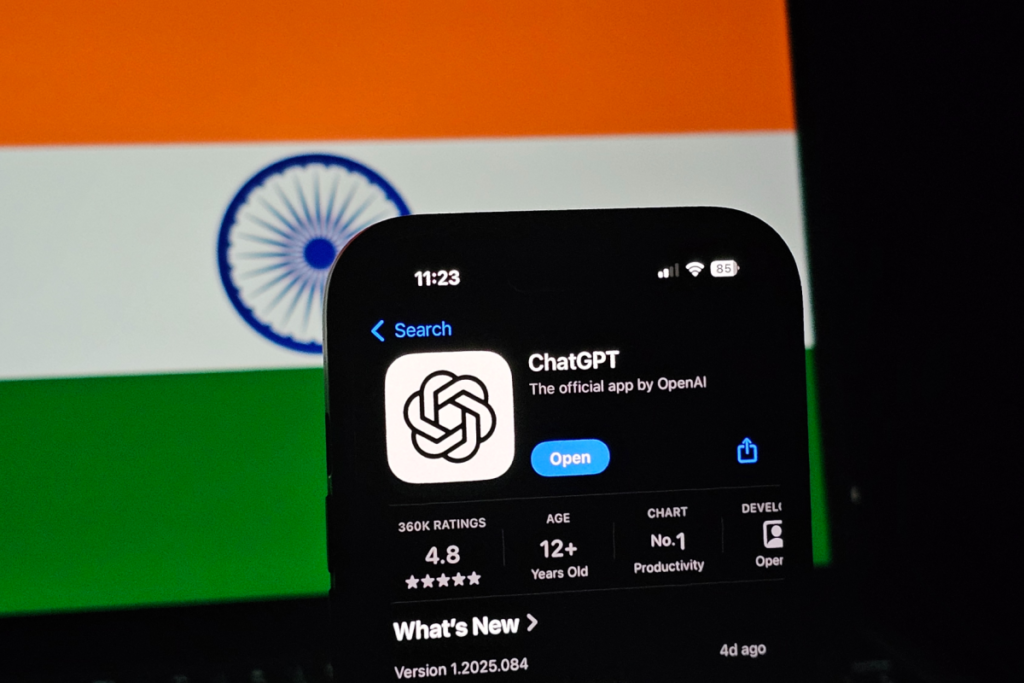

ChatGPT Images 2.0 launched with a lot of hype, and the data is starting to show a clear geographic split. India is absolutely loving it. The rest of the world? Not so much.
I’ve been watching the usage numbers since release, and the contrast is stark. In India, people are pumping out everything from stylized profile pictures to full-on cinematic portraits. It’s become a go-to tool for personal branding, social media avatars, and even wedding invitations. The creativity is impressive — I’ve seen users generate elaborate fantasy scenes, retro Bollywood poster homages, and hyper-detailed character art.
But outside India, the reception has been more measured. In the US and Europe, adoption is growing but nowhere near the same fever pitch. Why the disconnect?
First, there’s the pricing. ChatGPT Images 2.0 isn’t cheap if you’re generating at scale. In markets where disposable income is higher, people seem more willing to pay for premium tools like Midjourney or DALL-E 3. In India, the relative cost is still a factor, but the value proposition hits differently — a one-time subscription for endless personal art feels like a steal compared to hiring a designer.
Then there’s the cultural angle. Indian users have a long tradition of personalized visual content — from custom wedding graphics to festival greetings. ChatGPT Images 2.0 taps directly into that. The tool’s ability to generate culturally specific imagery (think Diwali themes, regional attire, local architecture) is a huge plus. It’s not just a novelty; it’s a practical replacement for expensive graphic design services.
Western users, by contrast, seem more focused on utility — generating product mockups, marketing assets, or technical diagrams. The creative, personal use case is there, but it’s secondary. And let’s be honest: the output quality still lags behind dedicated art tools for professional work. If you need a photorealistic product shot, you’re probably not reaching for ChatGPT.
There’s also the question of novelty fatigue. Generative AI has been mainstream in the West for a while now. People have seen the demo videos, tried the beta versions, and moved on. In India, the technology is still fresh for a large segment of users, and the barrier to entry is lower — ChatGPT is already widely used for text, so adding images feels like a natural upgrade.
I think the bigger story here isn’t about India vs. the world. It’s about how AI tools find their niches. ChatGPT Images 2.0 isn’t a universal hit, but it’s clearly found a strong product-market fit in one specific region. That’s not a failure — it’s a signal.
OpenAI should double down on what’s working. Improve the cultural customization, lower the cost for high-volume users, and maybe localize the marketing. If they can replicate the Indian success in other emerging markets — Brazil, Indonesia, Nigeria — the global numbers will follow.
But if they try to force a one-size-fits-all approach, they’ll end up pleasing no one. The data is clear: people use AI tools differently depending on where they live. Smart companies pay attention.
Comments (0)
Login Log in to comment.
Be the first to comment!